
Logistics & Supply Chain
Logistics and Supply Chain RFID integrates RFID technology into supply chain operations, enhancing visibility and efficiency. RFID Warehouse Management streamlines inventory tracking, reducing errors and improving accuracy. RFID Technology for Manufacturing optimizes production processes with real-time asset tracking and quality control. RFID Technology for Sales enhances customer experience by ensuring accurate inventory management and personalized marketing strategies. Together, these solutions revolutionize logistics, warehouse operations, manufacturing, and sales, driving business growth and competitiveness in the digital era.
Benefits of RFID in Supply Chain Management
 Wide adaptability to the environment, waterproof, anti-magnetic, high temperature resistant;
 Long reading distance, fast read command;
 Configurable password protection;
 Long-term data retention time;
 Long data retention time;
The stored information can be read&write by RFID warehouse inventory management many times and can be used repeatedly.

Use of RFID in Logistics
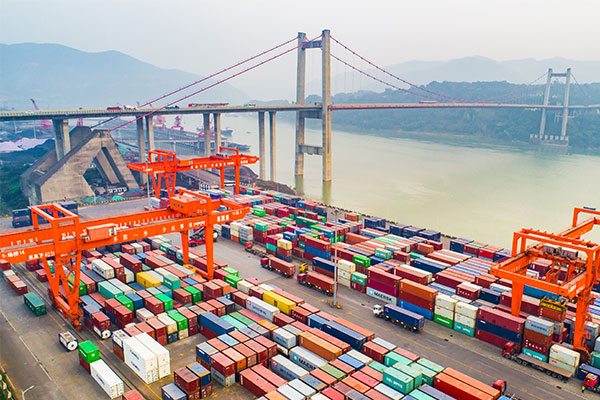
Load RFID tags on goods and trucks, and install the RFID label reader inside the trucks. Then, all business links, including suppliers, distributors, and customers, can know the location, status, and estimated arrival time of the goods in real time through the Internet. The application of RFID tags for inventory management can reduce the cost of traditional GPS positioning. Through the GIS geographic analysis system of the operation center, it is possible to realize the fast dispatchs and route optimization of cargo vehicles, and improve the utilization rate of vehicles.
RFID Warehouse Management
By pasting RFID tags on the goods, each product has its unique ID number. By reading the information in the tag through the RFID reader, the warehouse administrator can automatically inventory the goods in stock and update the data to the management center in real time.
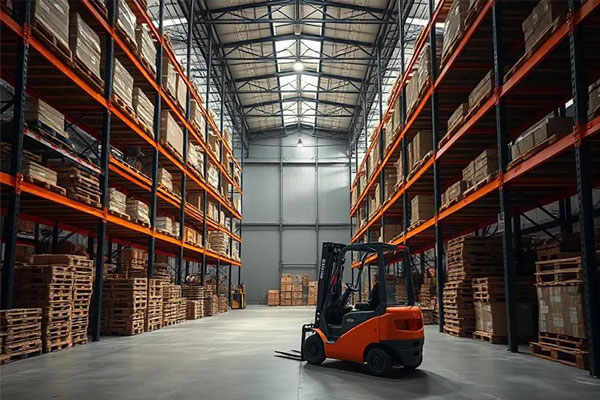
By introducing advanced forklift truck-mounted systems, companies can make inventory management intelligent and automated, improving space utilization and storage accuracy. When the goods with RFID tags are transported to the warehouse entrance, the goods information will be read by the reader of RFID based warehouse management system, and the information will be transmitted to the data management system. After the data center calculates the position of the goods, it sends the data to form the inventory instruction to the forklift truck system, and the goods will be stored in the corresponding location as required. Automatic operation can also be realized when goods leaving the warehouse.